Did you know that 59 percent of consumers say they’re more likely to purchase an item on a restaurant menu if it’s described as “seasonal”? In fact, according to research and consulting firm Technomic, 49 percent also said “seasonal” menu items are more appetizing, and another 39 percent believe “seasonal” dishes are healthier. Considering some
Blog
Restaurant Menu Terms You Need to Know
No matter how familiar you are with the culinary world, there are always new words to learn — as well as delicious new culinary methods and dishes to try. Check out our list below for a few of the most commonly seen — but often unfamiliar — terms, and never be stumped by your menu again. Aioli
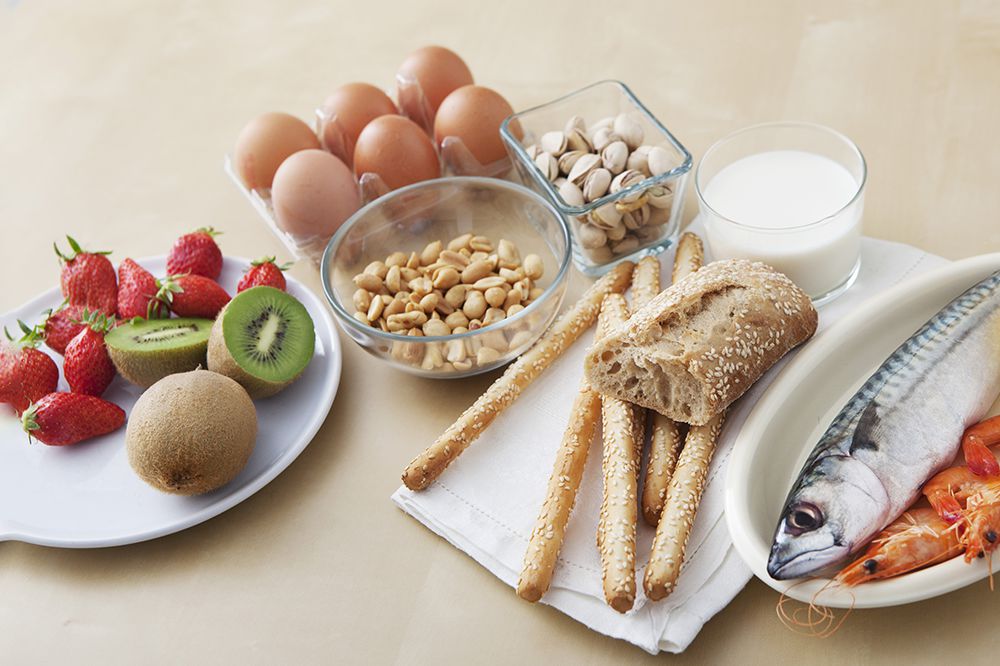
The 411 on the 911: Dealing with Restaurant Guest Allergies
Allergies. They can be as mild as the hay fever many of us experience in spring, or severe enough to cause fatal anaphylaxis. And they are only becoming more prevalent in our society. The Asthma and Allergy Foundation of America estimates that approximately 50 million Americans are affected by allergies. And between 1997 and 2011,
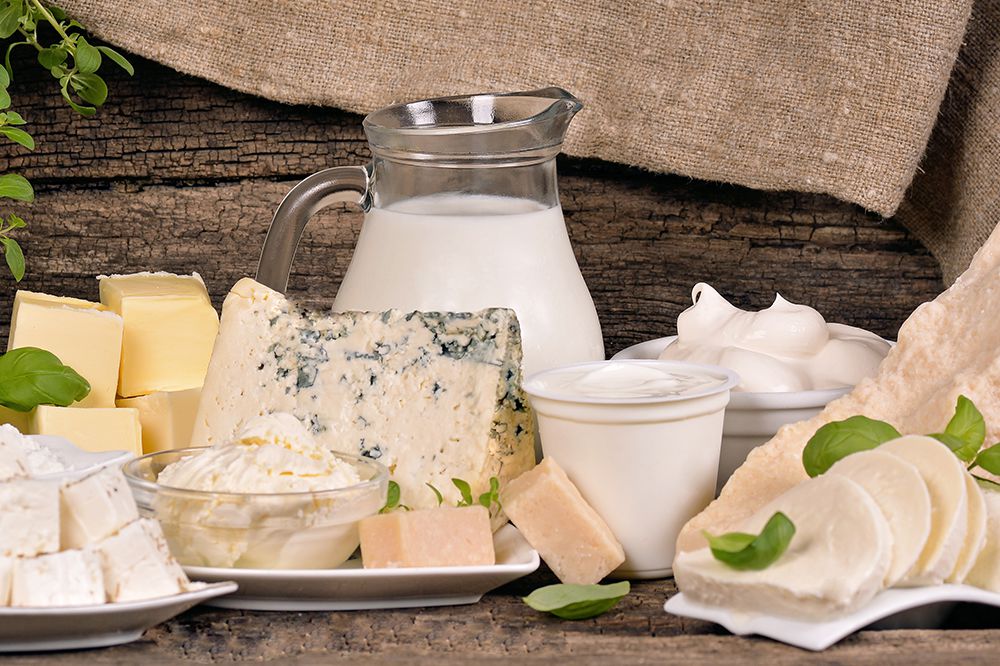
Hidden Dangers: The 8 Most Common Food Allergies and How to Avoid Them
Sniffles, sneezing, itchy eyes: Many of us have experience with the suffering of allergy season. But an increasing number of Americans are developing potentially deadly allergies to common foods. In fact, according to the CDC, between 1997 and 2011, the prevalence of allergies in children increased 50 percent. And it’s not just peanuts that are

3 Reasons Your Menu Should Include Mocktails
Think your cocktail list contains the most important — and lucrative — drinks on your menu? If so, you’re ignoring an opportunity to add another star refreshment to your repertoire: the handcrafted, alcohol-free “mocktail.” Though the Shirley Temple and Roy Rogers have been gracing restaurant drink menus for decades, there’s nothing “kiddie” about these faux

How Should I Price My Restaurant Menu?
The price. It’s often the first thing your guest will notice, and probably one of the (many) things keeping you up at night. How do you know it’s right? Does demand matter? Is just covering your costs enough? Does the price reflect the real value the customer is receiving from their meal? All of these factors